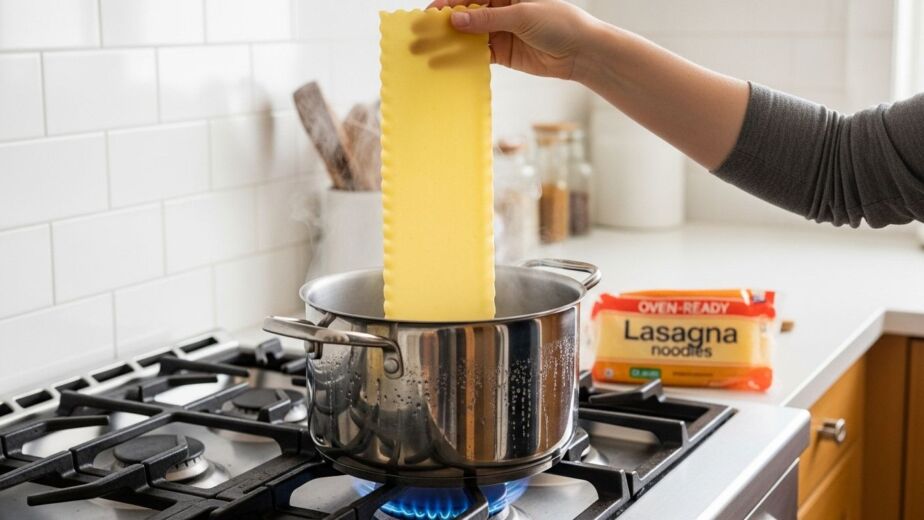
Italian cuisine, among the most loved culinary traditions across the world, is known for simple ingredients, rich flavors and dishes that bring comfort to people gathering at table. From pasta made by hand to pizza baked in wood fired oven, this cuisine is showing centuries of regional history along with deep respect for produce that is fresh and seasonal. Beyond Italy also, its popularity is influencing menus and dining experience in many places, including cozy neighborhood spot such as Restaurant Moers, where classic recipes get prepared with much care.
What Makes Italian Cuisine Unique
Because of focus on quality rather than complexity, Italian cooking is standing out from many other cuisines. Often, just handful of ingredients are used in dishes, so natural flavors can shine through. Base of many recipes is formed by olive oil, garlic, tomatoes, fresh herbs and cheese. Rather than sauces which are heavy or components too processed, meals are built around balance and freshness.
Regional diversity is another feature that defines this cuisine. Towards butter, rice and creamy sauces, Northern Italy leans more, while in Southern Italy, olive oil, tomatoes and seafood are favored instead. Because of this variety, no two regions are offering exact same dining experience, even when belonging to same country.
Why Is Italian Food So Popular Worldwide
Universal appeal is what Italian food carries, since it feels both familiar and exciting at same time. Across different cultures and age groups, pasta, pizza and risotto can be enjoyed with ease. Also, without losing its authenticity, this cuisine is adapting well to different dietary preferences, giving vegetarian, seafood and meat based choices.
Popularity is also coming from comfort factor. With tradition, warmth and meals shared together, many Italian dishes are associated, which makes them fitting for casual dinners as well as occasions that are special.
What Are the Core Ingredients in Italian Cooking
To understand why cuisine tastes in particular way, knowing the basics is helpful. Among common staples are these:
- Olive oil, extra virgin type, used for cooking and dressing both
- Tomatoes fresh, used in soups and sauces
- Basil and garlic, giving depth that is aromatic
- Mozzarella and parmesan, adding flavor along with texture
- Pasta made from durum wheat, coming in shapes various
In ways that are simple, often these ingredients get combined, so each element is contributing to dish final, rather than getting hidden under seasoning heavy.
How Does Regional Italian Cuisine Differ
In shaping menus, regional differences are playing role that is major. Seafood is what coastal areas are focusing on mostly, using preparation methods like grilling or sauce light, so freshness gets highlighted. Dishes more hearty are often featured by regions inland, including meats cooked slow, cheeses rich and pasta that is stuffed.
Because of this regional variety, many restaurants are offering menus diverse, so guests get chance for exploring styles different within one single dining experience.
What Role Does Dining Atmosphere Play in Italian Meals
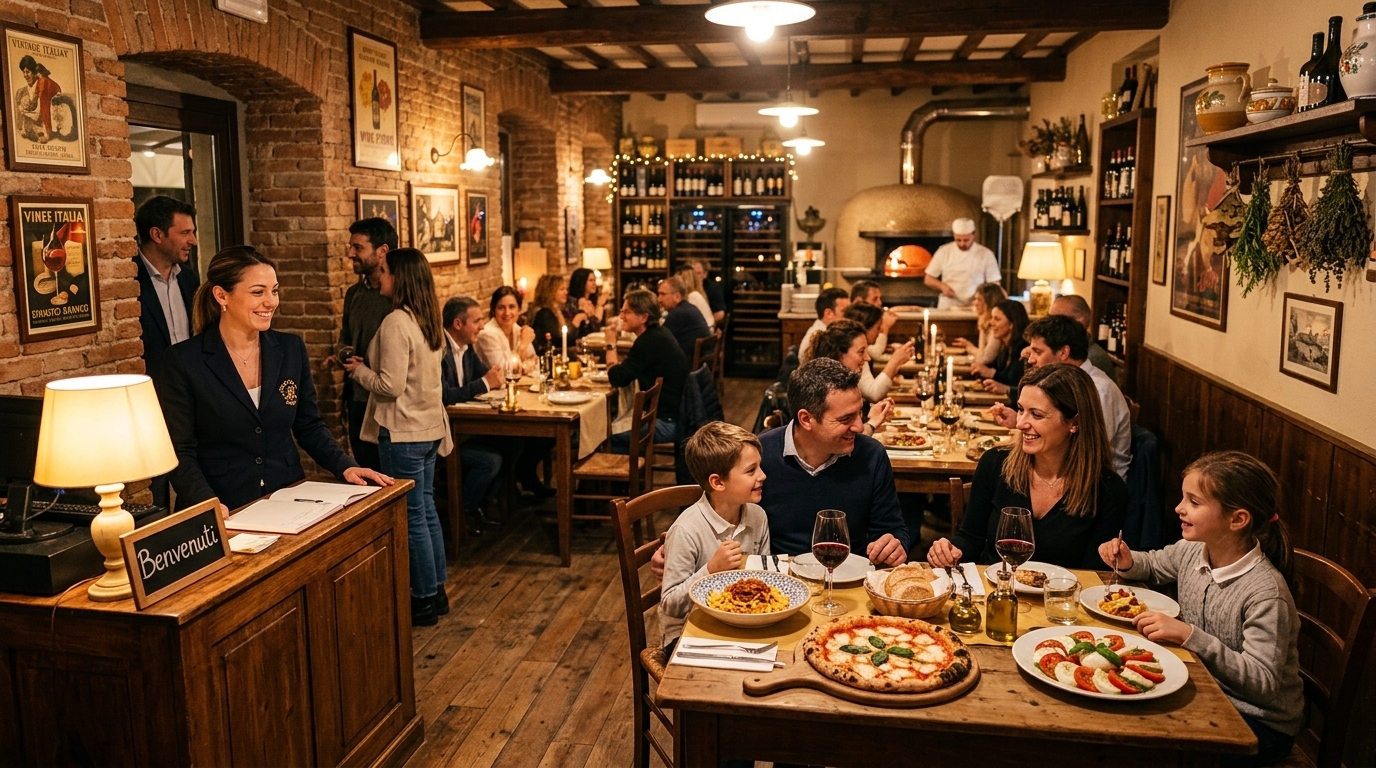
Closely, atmosphere is tied with how Italian food gets enjoyed. Rarely, meals are rushed, and often, spaces for dining are designed in way that feels warm and inviting. Choices in design like lighting soft, furnishing wooden and view of kitchen open are quite common, supporting pace of dining that is relaxed.
As much as food itself, social aspect of eating is emphasized too. Sharing appetizers, discussing choices from menu, and taking time between courses, all these become part of experience overall.
Is Italian Cuisine Family Friendly
Yes, among food styles that are most family friendly, Italian cuisine is generally considered one. Both children and adults find appeal in dishes like pizza, pasta and options grilled that are simple. Often, sizes of portion can get adjusted, and naturally mild in flavor are many dishes, which makes them suitable for palates younger.
Encouraged also is dining experience more inclusive for groups of different ages, through style of serving where dishes get placed at center of table for sharing.
How Important Are Reservations for Italian Restaurants
Especially during hours of evening, weekends or holidays, when demand becomes higher, reservations are useful. Ensuring seating availability is helped through booking ahead, particularly for gatherings of family or groups that are larger. Planning around preferences specific, such as seating outdoor or areas quieter for conversation, is also allowed through this.
Depending on day and time, availability for walk in may vary, so approach that is practical generally involves checking ahead for anyone planning visit.
Final Thoughts
Because of combination between simplicity, tradition and sense strong of community built around food, Italian cuisine keeps remaining popular. Suitable for meals casual as well as celebrations special, it becomes through its emphasis on ingredients fresh, variety regional and atmospheres of dining that are warm. Whether exploring flavors new or dining with family, experience that is comforting and satisfying gets offered by Italian cuisine, appealing to preferences and tastes that are wide ranging.