Facebim is basically a free streaming website where people go for movies, TV shows and anime, and no subscription or payment is needed for using it. It comes under the category of unlicensed streaming platforms, meaning it works outside of official licensing deals with film and TV studios. Because of this reason, the platform keeps changing its web address often, and in many regions, users face access issues from time to time.
What Is Facebim Used For
Mostly, people search for this kind of platform because they want to watch newly released films, popular series and animated shows, without any subscription cost or account creation process. The reason behind its popularity is simple, instant access is provided, no sign up is required, and a large catalog is available covering different genres and languages. This kind of convenience is the main reason such platforms manage to attract huge traffic within a short span of time.
Why Does the Website Address Keep Changing
For unlicensed streaming platforms, staying on one domain for long is not really common. Internet service providers, often acting on court orders or requests coming from copyright holders, keep blocking domains that get linked with unauthorized content distribution. Once one address gets blocked, a new one is launched by the operators, and this cycle just goes on repeating. Such a pattern is seen across the whole free streaming industry, it is not something limited to one single site only.
Some common reasons behind these frequent domain changes are given below:
- Copyright holders sending legal takedown requests
- Regulatory bodies issuing blocking orders
- Internet service providers applying restrictions at network level
- Operators trying to stay one step ahead of enforcement actions
Is This Type of Platform Legal
In most countries, streaming copyrighted films or series without proper authorization from the rights holder is treated as a violation of copyright law. Enforcement mostly targets the operators rather than individual viewers, but still, legal exposure exists for people accessing such content, especially when the usage is repeated or combined with tools such as VPNs and download managers.
What Are the Risks of Using Unlicensed Streaming Sites
Security Risks
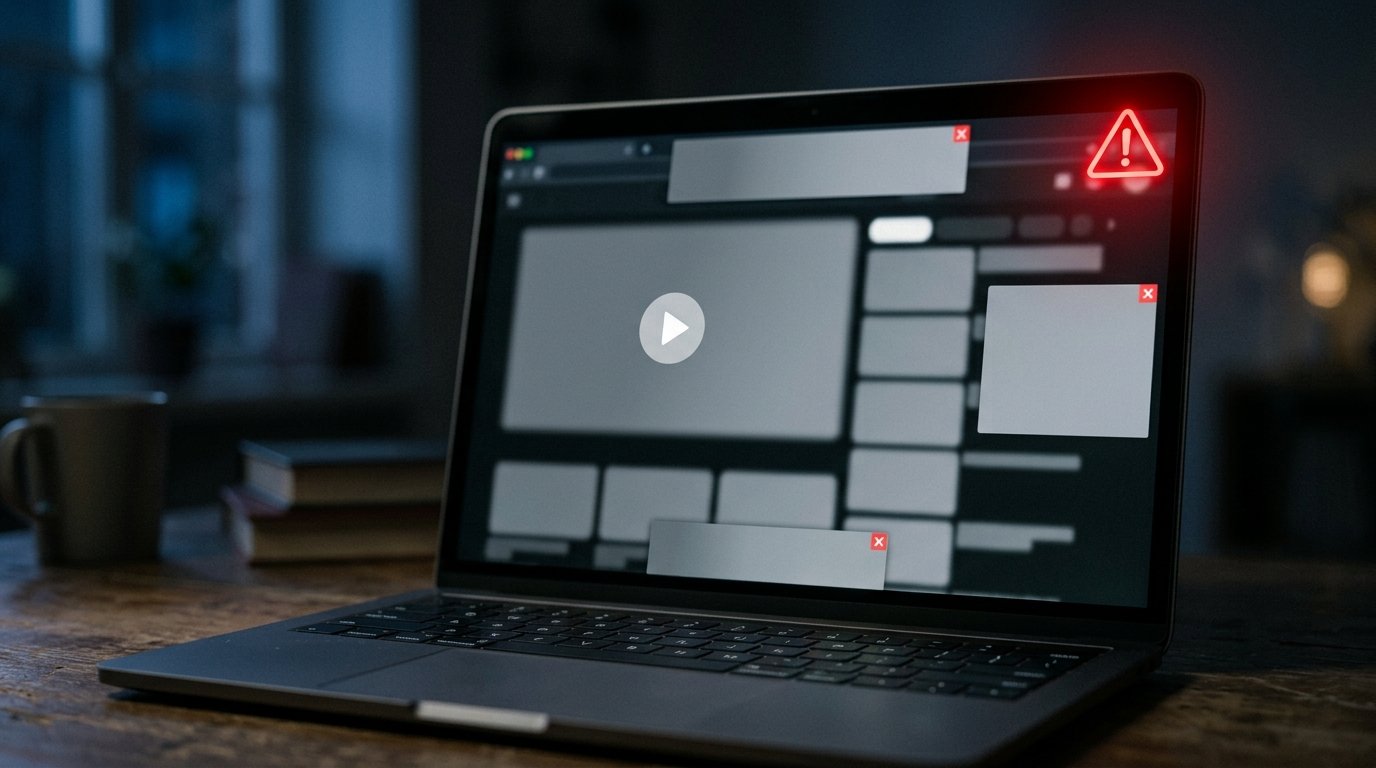
For generating revenue, free streaming platforms often depend on aggressive advertising along with third party scripts. Because of this, visitors can get exposed to malware, deceptive pop ups and redirects towards unsafe websites. Clone sites that copy the original one are usually the most dangerous, since the design looks similar while harmful code stays hidden behind it.
Privacy Risks
Without any data protection standard, many of these platforms keep operating. There is no guarantee available about how the visitor information gets collected, stored or shared, and this becomes a genuine concern for anyone who cares about online privacy.
Legal Risks
Depending on the jurisdiction, even casual viewing can come under copyright infringement rules. Laws are different from one country to another, but one principle stays consistent everywhere, distributing or streaming protected content without permission is never authorized.
How Can You Identify a Fake or Cloned Version
Telling apart an authentic site from an imitation is not always an easy task, but still some warning signs are quite common:
- Multiple pop ups showing up as soon as the page opens
- Play buttons opening several new tabs instead of playing the video
- Requests asking for account creation or personal details
- Fake virus warnings created just to trigger downloads
- Redirects leading towards unrelated download or survey pages
Usually, a version closer to the original one has a simpler interface, an organized content library and very little registration requirement. But even in that case, looking similar does not confirm that the site is safe or legal.
Why Does Access Get Blocked Even With a Valid Address
Following regulatory decisions, internet providers often apply restrictions at domain or IP level. Because of this, even an address that is currently working may become inaccessible depending on which network is being used. This blocking method is a standard practice used for limiting access to platforms that distribute unauthorized content.
Are There Safer Alternatives Available
Over time, licensed streaming services have expanded a lot, and now their catalogs rival free platforms in variety, while still keeping quality and security standards intact. A few options include free ad supported platforms along with paid subscription services that offer high definition streaming, support for multiple devices, and consistent uptime. With these alternatives, the security risks tied to unregulated advertising and unverified domains get eliminated.
What Should Users Keep in Mind Going Forward
The pattern behind platforms like this one does not seem likely to change anytime soon. Domains will keep shifting, blocks will keep happening, and clone sites will keep appearing just to capture traffic. By understanding how these platforms function, what risks come attached with their use, and what licensed alternatives are available, a more informed decision can be made. Just like other unlicensed streaming platforms, Facebim reflects a wider trend where convenience often comes along with hidden legal and security trade offs, and these are worth weighing carefully before actual use.