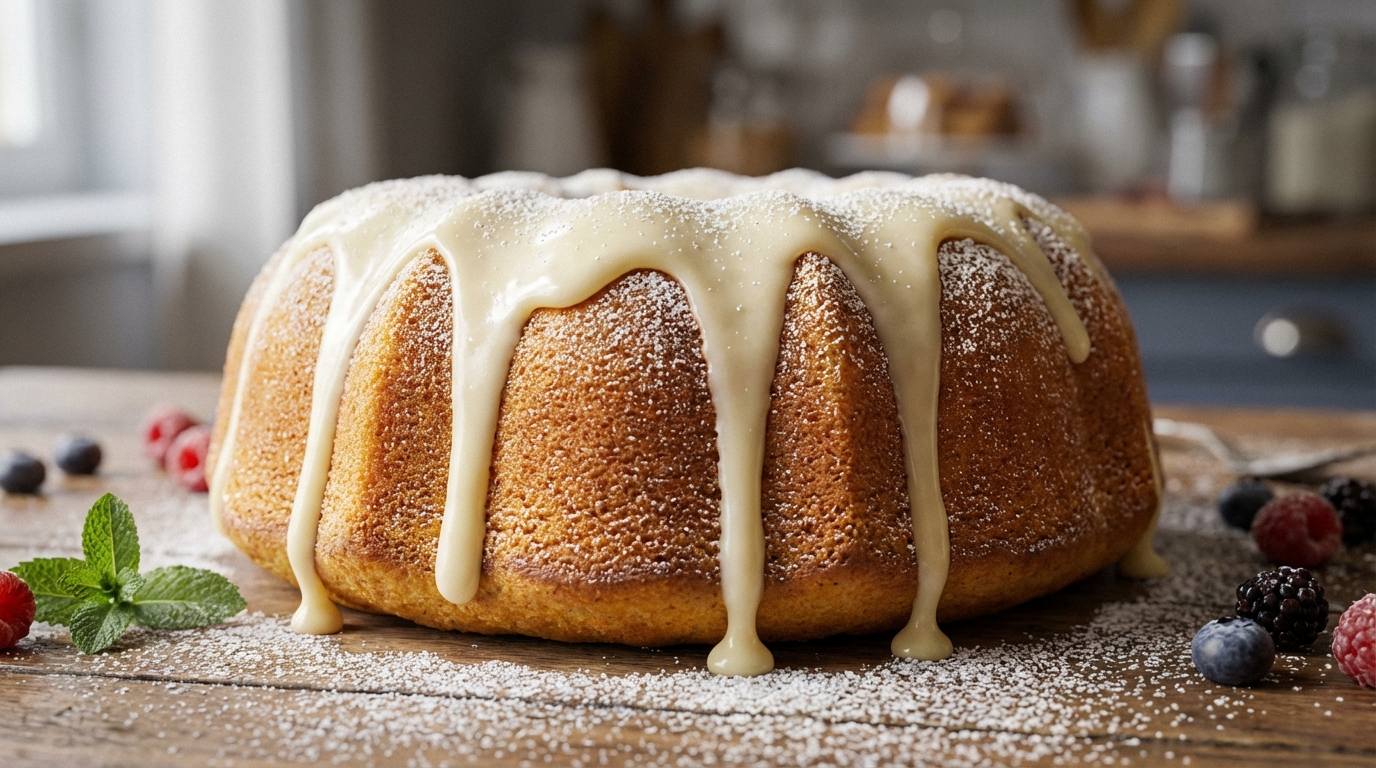
When it comes to the perfect finishing touch for a classic dessert, cream cheese icing for bundt cake is the gold standard. Unlike a thick, stiff buttercream used for layering, the ideal cream cheese icing for a bundt cake is a luscious, pourable glaze that drapes beautifully over the cake’s curves while maintaining a rich, tangy flavor. It is typically made by blending softened cream cheese, butter, powdered sugar, and a splash of milk or cream to achieve a “thick-ribbon” consistency that holds its shape without being too firm to pour.
A great bundt cake relies on its silhouette, so your icing needs to be just thin enough to gravity-drip down those decorative ridges, but thick enough to stay opaque and creamy. Whether you are baking a classic red velvet, a spiced pumpkin, or a bright lemon bundt, this icing provides the essential acidic balance to the cake’s sweetness.
Why Cream Cheese Icing is the Best Choice for Bundt Cakes
If you’ve ever wondered why cream cheese is the go-to topping for bundts, it’s all about the flavor profile and texture. Bundt cakes are often dense and moist, which means they need a topping that can stand up to their weight.
-
The Tang Factor: The natural acidity in cream cheese cuts through the sugar in the cake, preventing the dessert from feeling “cloying.”
-
Visual Appeal: Because bundt cakes have a hole in the center and intricate designs on the outside, a pourable cream cheese icing creates those iconic, “picture-perfect” drips that make the cake look professional.
-
Versatility: You can easily adjust the thickness. Want a thick coating? Use less milk. Want a translucent drizzle? Add a teaspoon more.
The Ultimate Cream Cheese Icing Recipe (Pourable Glaze Style)
To get that “bakery-style” look, you need a recipe that balances stability with flow. This version is designed specifically to be poured or spooned over the top of a cooled cake.
Ingredients
-
4 oz Full-Fat Block Cream Cheese: Always use the block variety, not the spreadable tub version, for a smoother finish.
-
2 tbsp Unsalted Butter: Softened to room temperature to prevent lumps.
-
1 ½ cups Powdered Sugar: Sifted to ensure there are no gritty bits.
-
1 tsp Pure Vanilla Extract: Or vanilla bean paste for those beautiful black specks.
-
2–3 tbsp Milk or Heavy Cream: Added one tablespoon at a time until you reach your desired “drip.”
-
A pinch of Salt: To brighten the flavors.
Easy Step-by-Step Instructions
-
Cream the Base: In a medium bowl, beat the softened cream cheese and butter together until completely smooth and pale. This usually takes about 2 minutes with a hand mixer.
-
Add Sweetener: Gradually add the sifted powdered sugar on low speed. Once incorporated, increase the speed to medium and beat until fluffy.
-
Flavor: Mix in the vanilla extract and a pinch of salt.
-
Adjust Consistency: Add your milk or cream one tablespoon at a time. After each addition, lift your whisk or spoon; the icing should fall in a thick, steady ribbon that holds its shape for a second before disappearing back into the bowl.
-
The Pour: Place your cooled bundt cake on a wire rack over a piece of parchment paper. Slowly pour the icing over the top ridge, allowing it to naturally find its way down the sides.
Pro Tips for the Perfect “Drip”
Even with a great recipe, the environment and technique matter. Here is how to ensure your cream cheese icing looks as good as it tastes:
1. Temperature is Everything
Never, ever ice a warm bundt cake. If the cake is even slightly warm, the cream cheese and butter will melt, and your beautiful white icing will turn into a clear, greasy puddle at the bottom of the plate. Let the cake cool for at least two hours before icing.
2. The “Ribbon Test”
Before you pour the icing over your hard work, test the consistency. If the icing is too thin, add more powdered sugar (1 tablespoon at a time). If it’s too thick and won’t move, add a tiny splash of milk. You want it to be roughly the consistency of thick Elmer’s glue.
3. Use the Sieve
Cream cheese icing is notorious for tiny white lumps. These are usually caused by cold cream cheese or unsifted powdered sugar. For a silky-smooth finish, sift your sugar and ensure your cream cheese is truly at room temperature.
Flavor Variations to Try
While vanilla is the classic choice, you can easily adapt your cream cheese icing to match the flavor of your specific bundt cake:
| Cake Type | Icing Twist |
| Lemon Bundt | Replace milk with fresh lemon juice and add 1 tsp of lemon zest. |
| Pumpkin Spice | Add ½ tsp of ground cinnamon and a pinch of nutmeg to the icing. |
| Chocolate Bundt | Use a tablespoon of strong brewed coffee instead of milk for a “Mocha” finish. |
| Carrot Cake | Add a drop of maple syrup for an earthy, autumnal sweetness. |
Common Mistakes to Avoid
-
Using “Light” Cream Cheese: Low-fat or Neufchâtel cheese has a higher water content. This often results in a runny icing that won’t set properly on the cake.
-
Overbeating: If you whip the icing for too long, it can become too aerated and thin. Beat just until the lumps are gone.
-
Storing at Room Temp: Because of the high dairy content, any cake with cream cheese icing should be stored in the refrigerator if not eaten within two hours.
How to Store Your Iced Bundt Cake
Since cream cheese is a perishable dairy product, your iced cake needs a little extra care.
-
Refrigeration: Store the cake in a cake carrier or under a large bowl in the fridge. It will stay fresh for up to 5 days.
-
Serving: For the best flavor, take the cake out of the fridge about 30 minutes before serving. This allows the cake crumb to soften and the icing to lose its “chill,” which brings out the tanginess of the cream cheese.
Final Thoughts
Mastering cream cheese icing for bundt cake is a skill that every home baker should have in their back pocket. It turns a simple cake into a centerpiece. By focusing on the right consistency and using high-quality, room-temperature ingredients, you’ll achieve that iconic, “gloopy-in-a-good-way” look that makes everyone reach for a second slice.