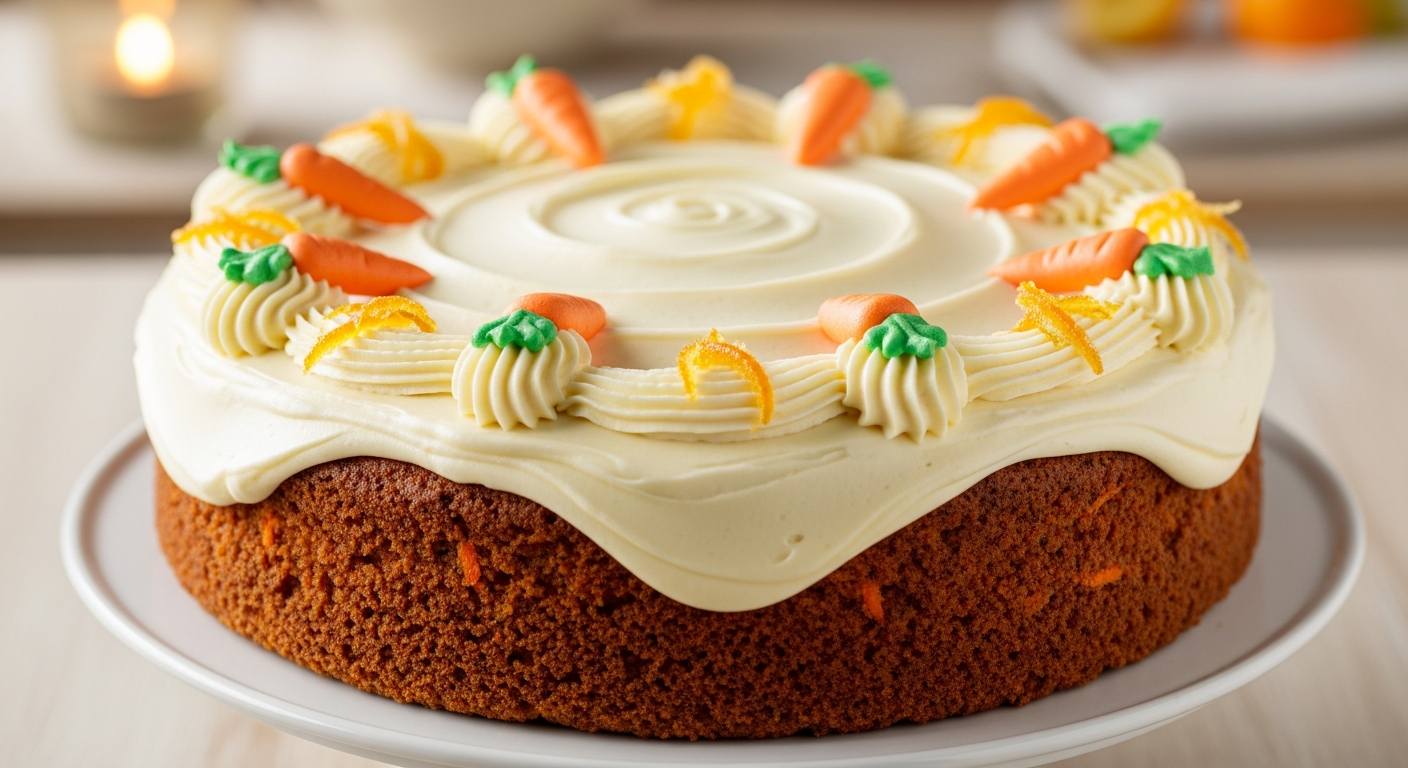
Yes – you can absolutely top carrot cake with icing that has no cream cheese. In fact, many bakers prefer sweet, creamy frostings or glazes instead of the classic tangy cream-cheese frosting. For example, a simple vanilla buttercream, a bright lemon glaze, a fluffy mascarpone or whipped cream topping, or even a goat‑cheese frosting all work beautifully on carrot cake. In this post we’ll explore these cream-cheese–free options in detail, with tips and recipes so you can pick the perfect sweet topping for your carrot cake.
Why Skip Cream Cheese Frosting?
Cream cheese frosting is rich and tangy, but it’s not the only tasty choice. Some people avoid it due to dietary needs (lactose intolerance, allergies or vegan diets), while others simply want a different flavor or texture. A buttercream or fruit-based glaze can be lighter, sweeter or more aromatic. And if you’re feeding a crowd with varied tastes, offering a non-cream-cheese alternative means everyone can enjoy the cake. Luckily, carrot cake is so moist and flavorful that almost any sweet icing complements it.
Vanilla Buttercream Frosting
One of the easiest and most popular alternatives is a classic vanilla buttercream. This uses butter, powdered (icing) sugar, and vanilla (plus a little milk or cream for consistency). Beat room-temperature butter until fluffy, then slowly add sifted powdered sugar and vanilla, finishing with a splash of milk or heavy cream. In just 5–10 minutes you’ll have a sweet, buttery frosting. You can spread it thick like cream cheese icing or pipe it on cupcakes. Many bloggers note a basic buttercream “is a great option” and “a basic vanilla buttercream would be delicious” on carrot cake.
Buttercream is also very versatile. You can flavor it to suit the cake: add ground cinnamon, nutmeg or ginger to echo the cake’s spice, or whisk in orange or lemon zest for citrus notes. A swirl of cinnamon or a hint of maple syrup makes a lovely fall twist. Because buttercream is sweet and creamy, it balances the warm spices and natural sweetness of carrot cake perfectly.
Bright Citrus or Fruit Glazes
For a lighter, tangier icing, try a simple fruit glaze. A lemon glaze is classic: just whisk powdered sugar with fresh lemon juice until thick but pourable, then spread it over the cake. (EatLittleBird’s recipe uses about 2 cups icing sugar and enough lemon juice for a thick glaze.) The result is a glossy, zesty topping that cuts through the cake’s richness and adds a refreshing flavor. You can do the same with orange juice or even pineapple juice for a tropical twist.
Other fruit-based options include a berry glaze made from pureed raspberries or blueberries mixed with powdered sugar, or a warm fruit compote glaze (cook berries with a bit of sugar and brush it on). These bright fruit glazes are dairy-free and super quick: no mixer needed, just a bowl and whisk. They turn carrot cake into a lighter dessert that still tastes sweet and special.
Creamy Mascarpone, Goat Cheese or Whipped Toppings
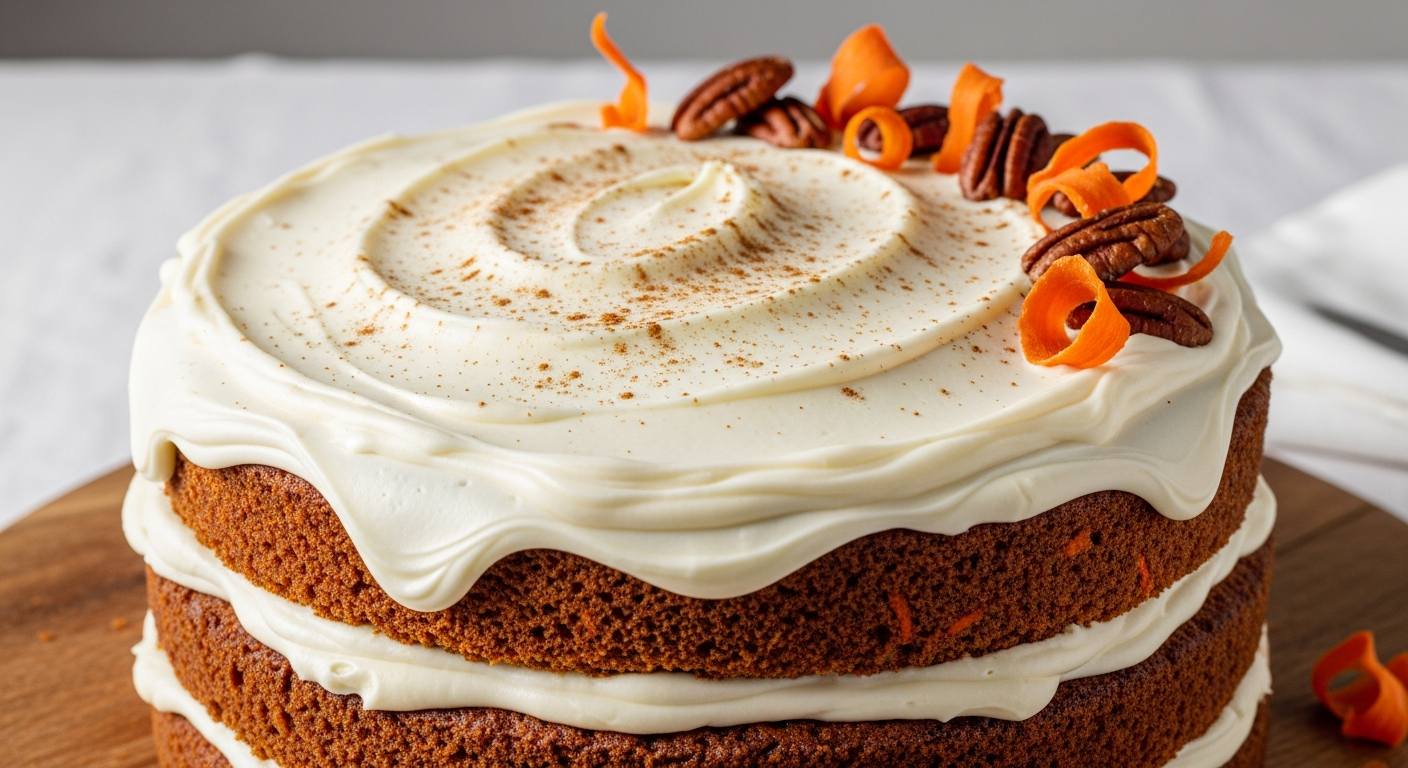
If you want a frosting that’s rich yet not tangy like cream cheese, try a mascarpone or whipped cream frosting. For instance, one Easter carrot cake uses a whipped mascarpone cheese frosting with vanilla and lemon zest. This is made by whipping heavy cream with mascarpone (and a little sugar) to a fluffy texture. The mascarpone adds creaminess without as much sour tang as cream cheese. Chill your bowl and beat cold whipping cream into stiff peaks, then gently fold in softened mascarpone, a touch of vanilla, and lemon zest. It’s light, silky, and spreads easily. Because it’s whipped, this frosting is lighter than dense cream cheese icing, so the cake feels less rich overall.
Goat cheese can serve a similar role. Fresh goat’s cheese (chèvre) has a soft tang and earthy note. Many bakers find goat-cheese frosting “is a great alternative” to cream cheese. Goat cheese is naturally milder and whippier; when beaten with butter and sugar, it becomes a smooth, slightly tangy icing. In fact, one recipe swaps all the cream cheese for goat cheese, then adds powdered sugar and a bit of butter – the result is tangy but not overpowering, with a lovely aroma that complements spices in the cake. If you want an “unexpected and delicious” twist, as some call it, try a goat-cheese frosting on your carrot cake. (Ricotta or quark cheese can also be used similarly for a gentle, yogurt-like sweetness, though these are less common on carrot cake.)
For an even lighter topping, whipped cream or coconut cream is another option. Simply whip heavy cream (or full-fat coconut cream for dairy-free) with a little sugar and vanilla until fluffy. Spread it on the cooled cake for a cloud-like frosting. Coconut cream frosting, in particular, is a great dairy-free choice – as one recipe notes, whipped coconut cream “replaces the traditional cream cheese frosting” to still give sweetness and creaminess. The EatingWell vegan recipe highlights that coconut frosting provides a rich, dairy-free alternative. You can also fold in crushed pineapple or toasted coconut for extra flavor. These whipped toppings are less stable (need chilling) but delightfully airy.
Coconut and Other Dairy-Free Frostings
Coconut cream deserves its own shout-out. To make a simple coconut whipped cream frosting, chill a can of coconut milk and scoop out the solid cream. Whip it with vanilla and powdered sugar until stiff. Spread or pipe it on the cake for a tropical vibe. EatingWell’s carrot cake recipe uses coconut whipped cream “to replace the traditional cream cheese frosting”. It’s sweet but lighter than buttercream, and totally dairy-free (good for vegans or those who avoid dairy).
If you’re avoiding dairy, you can also consider plant-based whipped frostings (almond milk “whipped topping”), or even a nut butter glaze. For example, a warm glaze made from peanut or cashew butter thinned with maple syrup can be drizzled over the cake. It’s not traditional but adds sweetness and a nutty note that goes surprisingly well with carrots and spices.
Chocolate, Honey and Other Sweet Toppings
You can also go a different direction by using chocolate or caramel. A ganache made from melted chocolate (white or dark) and cream (or nondairy milk) can be poured or spread over carrot cake. Cinnamon & Coriander notes that white or dark chocolate ganache is a possible alternative frosting. For example, melt white chocolate with a little cream, let it cool to thick but spreadable, and ice the cake – it gives a sweet, creamy coating with hints of vanilla. Dark chocolate ganache adds rich complexity (try adding a pinch of cinnamon or nutmeg).
Honey or maple syrup can also add sweetness in buttercream form. For instance, combine butter with honey and powdered sugar for a honey buttercream, or whisk maple syrup with powdered sugar and a bit of orange juice for a maple glaze. These naturally sweeteners give depth of flavor – a honey-sweetened buttercream has floral notes, and a maple icing adds a warm, woodsy taste. One baker even suggests “a frosting sweetened with honey” as a tasty option. These are less tangy than cream cheese icing and pair nicely with carrot cake’s spices and nuts.
Finally, don’t forget simple sugar glazes: a thin vanilla glaze (just powdered sugar mixed with milk and vanilla) can be drizzled on top, or a cinnamon glaze (add cinnamon and a pinch of salt to the sugar mixture). These require no fat (no butter or cheese), so the cake stays lighter. They set up with a shiny finish and keep the frosting sweet.
Expert Tips
-
Cool the cake first. Whether using buttercream, whipped cream or ganache, make sure the carrot cake has cooled completely. Frosting on a warm cake will melt into it.
-
Adjust sweetness carefully. Non-cream-cheese frostings can be very sweet (buttercream or chocolate), so taste as you go. You can always thin a too-sweet icing with a bit of milk or add a pinch of salt to balance.
-
Chill whipped toppings. If using whipped or mascarpone frostings, chill the bowl and beaters first. Cold bowls help cream whip up better. For coconut cream frosting, use the thick solid part of chilled coconut milk.
-
Try flavor add-ins. Carrot cake goes well with spices and citrus. For example, add lemon zest to mascarpone frosting (as one recipe does), or mix a bit of ground ginger into buttercream.
-
Storing: Many of these frostings (especially ones with fresh cream or cheese) need refrigeration. Buttercream stays nicely at room temp for a day, but whipped cream and coconut cream cake should be kept cold until serving.
By picking one of these cream-cheese–free icings, you can customize your carrot cake to different tastes. Whether you want a rich buttery frosting, a zesty fruit glaze, or a light coconut cream topping, there’s a sweet alternative to cream cheese. These options have been tested by home bakers and food editors alike, so you can frost your carrot cake confidently without a trace of cream cheese, yet still enjoy that perfect sweet finish.